Authentic Indian Spices: A Guide to Traditional Flavors, Blends and Everyday Wellness
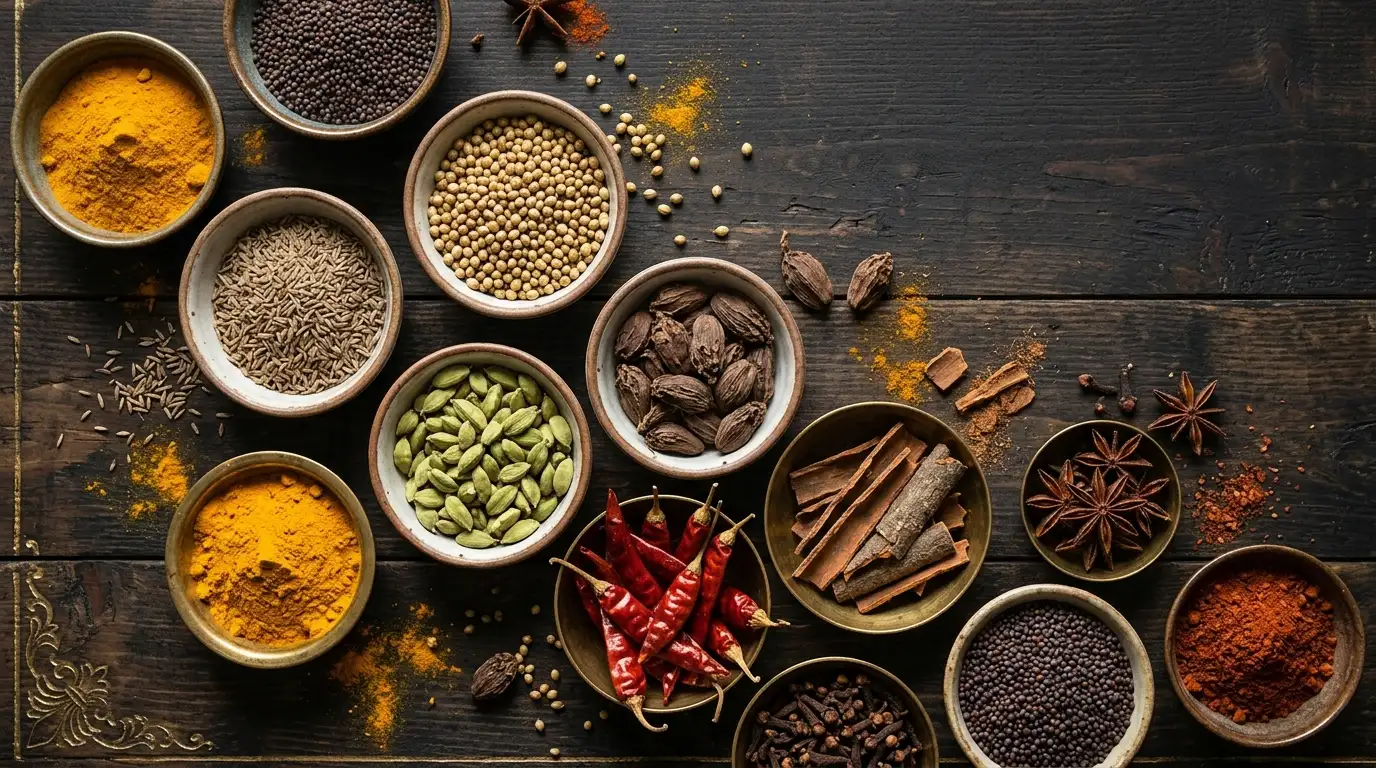
Indian cooking is, at heart, the art of spices. For thousands of years, cooks across the subcontinent have layered, toasted, and balanced authentic Indian spices to build flavour that is fragrant, warming, and deeply satisfying. Today, as home cooks and chefs worldwide reach for more natural, more characterful cooking, traditional Indian flavours have become a global language of good food. This guide is a friendly map: the essential single spices, the classic blends, the special place of turmeric, and simple ways to cook better — and a little more healthily — with them.
A quick word on authenticity. 'Authentic' does not mean complicated. It means real, well-sourced spices used with a little understanding of how they behave. Freshness and origin matter more than the length of your spice rack.
The essential single spices
Most Indian cooking is built from a core group of single spices. Learn these and you can cook a remarkable range of dishes:
- Turmeric (haldi) — earthy, golden, and foundational; the colour and warmth behind countless dishes, and a botanical valued in Ayurveda for centuries.
- Cumin (jeera) — nutty and warm; often the first seed to hit the hot oil in a tempering.
- Coriander (dhania) — citrusy and gentle; a backbone of many masalas.
- Cardamom (elaichi) — green for sweet and savoury aromatics; black for smoky depth.
- Cloves, cinnamon, and bay — the warm, sweet 'whole spices' that perfume rice and curries.
- Chilli — heat and colour, from gentle Kashmiri to fiery varieties.
- Mustard seeds, fenugreek, and asafoetida (hing) — the pungent, savoury notes that define many regional styles.
Why freshness and origin matter
Spices are aromatic because of volatile oils that fade with time, heat, and light. A spice that has sat ground for two years has lost much of what made it worth buying. This is why serious cooks favour whole spices they grind as needed, and why origin and freshness — not just price — should guide your purchase. Single-origin, well-cured spices simply taste more alive.
The classic Indian spice blends
Blends, or *masalas*, are where Indian cooking shows its artistry. A blend is not a shortcut; it is a carefully balanced composition, and recipes vary by region and household:
- Garam masala — a warming blend of toasted whole spices (often cinnamon, cardamom, cloves, cumin, coriander, pepper), usually added near the end of cooking for aroma.
- Curry powder — more a Western-market convenience blend than a single Indian recipe, typically built around turmeric, coriander, cumin, and chilli.
- Sambar and rasam powders — South Indian blends built for lentil-based dishes, with roasted lentils and chillies.
- Chaat masala — tangy and savoury, with a characteristic note from black salt and amchur (dried mango).
- Tandoori and tikka blends — vivid, smoky mixes for grilling, often coloured by turmeric and chilli.
The secret to great blends is the same as for single spices: real ingredients, properly sourced. A blend made from tired, low-grade spices will always taste flat, no matter how clever the recipe.
Turmeric: the golden heart of the Indian kitchen
If one spice symbolises Indian cooking and wellbeing, it is turmeric. Beyond its colour and earthy flavour, turmeric — and its principal compound, curcumin — has been studied widely and valued in traditional practice for generations. It is the base note of everyday cooking, from a simple dal to a celebratory curry, and the star of warming preparations like turmeric milk (*haldi doodh*).
A practical tip rooted in tradition: curcumin is fat-soluble and not easily absorbed on its own, which is one reason turmeric is so often cooked in oil or ghee and paired with black pepper. For buyers and brands who care about potency specifically, our buyer's guide to high-curcumin turmeric goes deeper. As always, treat turmeric as a cherished, well-studied botanical — not a cure — and enjoy it as part of a balanced diet.
Cooking healthier with spices
One of the quiet joys of Indian spices is how they let you cook food that is full of flavour without leaning on excess salt, sugar, or fat. A few simple habits:
- Bloom your spices. Toasting whole spices or tempering them briefly in hot oil (a technique called *tadka*) releases their aroma and transforms a dish.
- Add at the right time. Whole spices early for depth; finishing blends like garam masala late for fragrance.
- Let spices replace salt and sugar. Cumin, coriander, and chilli build savouriness; cardamom and cinnamon add natural sweetness of aroma.
- Cook turmeric with a little fat and pepper to make the most of it, in keeping with tradition.
- Buy small, buy fresh, store dark. Keep spices airtight, away from heat and light, and replace them before they go dull.
Great Indian food is not about more spices. It is about real spices, used with a little understanding.
From the Indian soil to your kitchen
Authentic flavour begins long before the kitchen — in the soil, the harvest, and the curing. Swanandi Spices is a premium Indian turmeric and spice producer and exporter rooted in the heritage of Wai, Maharashtra, supplying single-origin, lab-tested spices to wellness brands, blenders, and kitchens around the world. Whether you are a brand seeking a dependable supply of premium spices or a buyer who simply wants the real thing, authenticity and traceability are where it starts — see our quality standards for how we keep it honest.
Looking for premium, single-origin Indian spices for your brand or kitchen? Talk to our team about samples and supply.
TALK TO SWANANDI SPICES →What are the most essential Indian spices to start with?
A practical core is turmeric, cumin, coriander, cardamom, cloves, cinnamon, chilli, and mustard seeds, plus asafoetida (hing). With these you can cook a wide range of authentic dishes; add regional spices as you explore.
What is garam masala?
Garam masala is a warming blend of toasted whole spices — commonly cinnamon, cardamom, cloves, cumin, coriander, and pepper — usually added near the end of cooking for aroma. Recipes vary by region and household.
How do I make the most of turmeric when cooking?
Curcumin, turmeric's main compound, is fat-soluble and poorly absorbed alone, so turmeric is traditionally cooked in oil or ghee and paired with black pepper. Enjoy it as part of a balanced diet rather than as a treatment for any condition.
Why does spice freshness and origin matter?
Spices get their aroma from volatile oils that fade with time, heat, and light. Fresh, single-origin, well-cured spices simply taste more vivid, which is why origin and freshness — not just price — should guide your purchase.